2025-08-29
Unlock the Potential of PDRN Serum: A B2B Purchaser's Technical Guide
Unlock the Potential of PDRN Serum: A B2B Purchaser's Technical Guide
Introduction
In the competitive skincare market, PDRN serum has emerged as a revolutionary product, captivating both consumers and businesses alike. For B2B purchasers looking to tap into the high - demand skincare segment, understanding PDRN serum from a technical perspective is crucial. This guide aims to provide in - depth knowledge about PDRN serum, its product specifications, and why it's a worthy addition to your product portfolio.
What is PDRN?
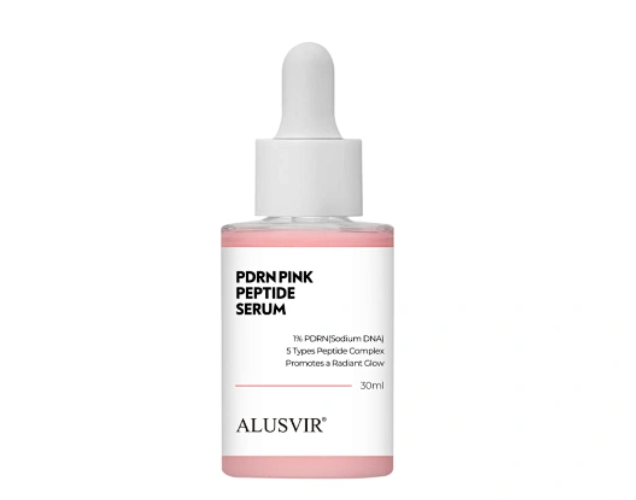
PDRN, or Polydeoxyribonucleotide, is a bioactive substance derived from the DNA of salmon. The extraction process isolates small DNA fragments that bear a remarkable structural similarity to human DNA. This similarity is the key to its effectiveness in skincare, as it allows for enhanced compatibility and interaction with human skin cells.
The Science Behind PDRN's Efficacy
- Cellular Regeneration: PDRN stimulates fibroblasts, the cells responsible for producing collagen, elastin, and other essential components of healthy skin. By promoting collagen synthesis, it enhances skin elasticity, firmness, and texture. In a study, topical application of PDRN was shown to increase collagen production by up to 30% in fibroblasts within a week of consistent use.
- Anti - Inflammatory Properties: PDRN acts as an agonist for the adenosine receptor A2A, which is widely distributed on cell surfaces. When activated, this receptor inhibits the secretion of inflammatory cytokines such as IL - 6 and TNF - α. This anti - inflammatory effect is beneficial for calming sensitive skin, reducing redness associated with skin conditions like rosacea, and promoting overall skin health.
- Hydration and Moisture Retention: PDRN helps boost the skin's natural ability to retain moisture. It does this by enhancing the function of the skin's barrier, allowing it to hold onto water more effectively. Products containing PDRN have been found to increase skin hydration levels by up to 20% within a few days of regular use.
Product Specifications for B2B Purchasers
Ingredients
- PDRN Concentration: The concentration of PDRN in the serum is a critical factor. High - quality PDRN serums can range from 10,000 ppm to over 500,000 ppm. For example, some premium serums may contain 562,400 ppm of marine - based PDRN, far exceeding industry standards for maximum results. A higher concentration generally means more potent effects in terms of skin regeneration and anti - aging.
- Active Ingredient Synergy: PDRN serums often contain other active ingredients that work in synergy with PDRN.
- Peptides: Ingredients like copper tripeptide, oligo peptide - 51, and pepti lift are commonly included. Peptides help to stimulate collagen production further and can also improve skin firmness. They work in tandem with PDRN, enhancing its overall anti - aging effects.
- Vitamins: B - complex vitamins (such as B3, B5, B12) and stabilized vitamin C (like AA2G) are added for their antioxidant and skin - brightening properties. Vitamin C, in particular, can enhance collagen synthesis and protect the skin from free - radical damage, complementing PDRN's regenerative functions.
- Hyaluronic Acid: Both low and medium molecular weight hyaluronic acid (LMW & MMW) are used. LMW hyaluronic acid can penetrate deeper into the skin layers to hydrate from within, while MMW hyaluronic acid forms a moisture - retaining film on the skin's surface. Together with PDRN, they provide comprehensive hydration.
Product Formulation
- Texture and Absorption: PDRN serums typically have a lightweight, liquid - like texture that allows for easy application and quick absorption. This is crucial for consumer acceptance, as a serum that feels heavy or greasy on the skin may be less appealing. The formulation is designed to ensure that the PDRN and other active ingredients can penetrate the skin effectively. Some serums use advanced delivery systems, such as micro - encapsulation or liposomal technology, to enhance the absorption of PDRN.
- pH Level: The pH of a PDRN serum is carefully balanced to be skin - friendly. A pH level in the range of 4.5 - 6.5 is ideal, as it mimics the skin's natural acidic mantle. This helps to maintain the integrity of the skin barrier and ensures that the PDRN and other ingredients remain stable and effective. A serum with an improper pH could potentially irritate the skin or reduce the efficacy of the active ingredients.
- Viscosity: The viscosity of the serum is optimized to ensure easy dispensing from bottles or droppers. It should be thick enough to stay on the skin during application but not so thick that it clogs the dispensing mechanism. A well - formulated PDRN serum will have a smooth and consistent viscosity that allows for precise application.
Packaging
- Type of Packaging:
- Bottles: Glass bottles are a popular choice for PDRN serums as they provide excellent protection against light and air, which can degrade the PDRN and other active ingredients. Amber - colored glass is especially effective in blocking harmful UV rays. Plastic bottles are also used, but they should be made of high - quality, air - tight materials to maintain product integrity.
- Droppers or Pumps: Most PDRN serums come with droppers or pumps for easy and hygienic application. Droppers allow for precise control of the amount of serum dispensed, while pumps are convenient for consumers who prefer a more hands - free approach.
- Size and Quantity: Serums are available in various sizes, from small travel - sized bottles (around 10 - 30 ml) to larger, full - sized containers (50 - 100 ml). B2B purchasers can choose the size that best suits their target market and pricing strategy. Additionally, some manufacturers offer multi - pack options, such as sets of 5 or 10 smaller vials, which can be appealing for consumers who prefer individual - use packaging.
- Sustainable Packaging Options: With the growing emphasis on environmental sustainability, many PDRN serum manufacturers are now offering sustainable packaging solutions. This includes using recycled materials for bottles and packaging, as well as biodegradable or compostable options. B2B purchasers can align their brand with eco - friendly values by choosing products with sustainable packaging.